

How Plasmalogens Protect Cells From Oxidative Stress Better Than Regular Lipids
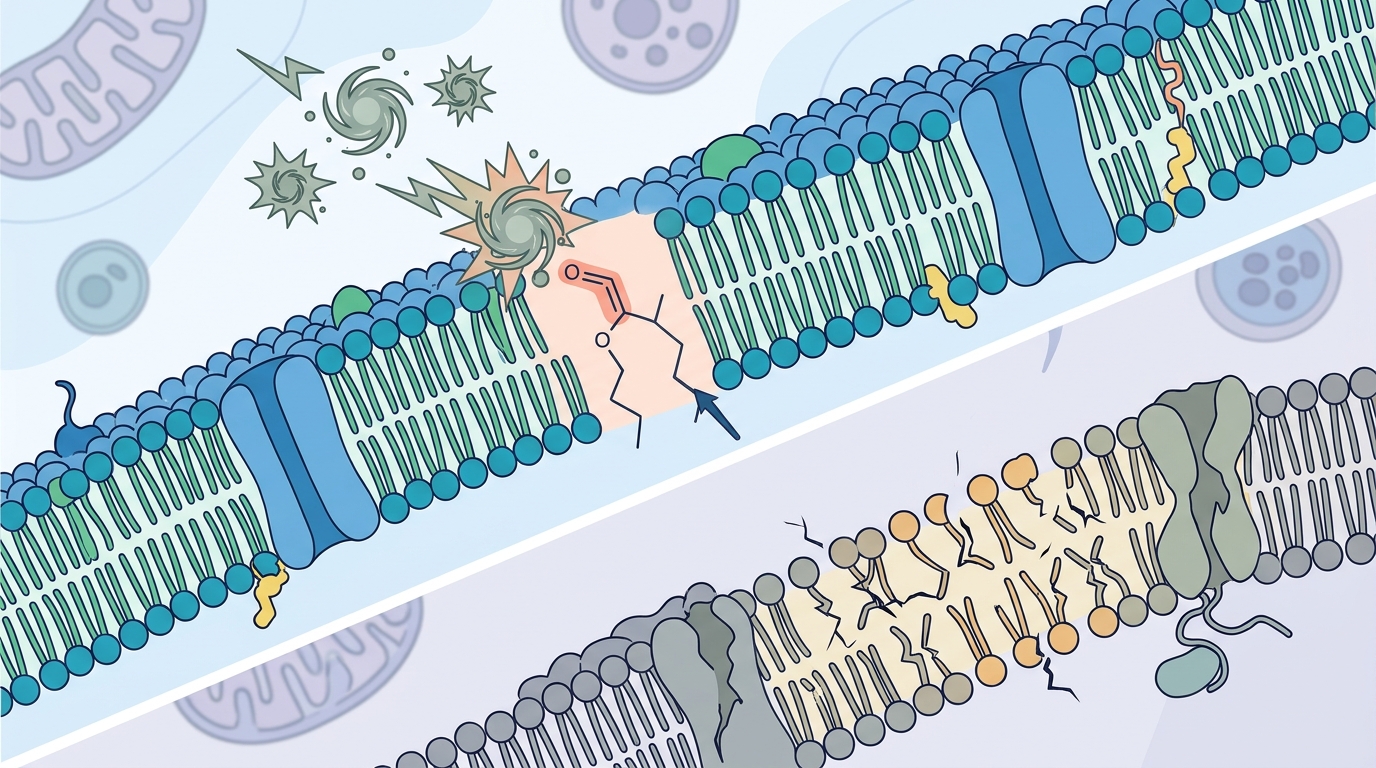
Plasmalogens protect cells from oxidative stress better than regular lipids because their unique vinyl ether bond acts as a sacrificial antioxidant. This specific chemical structure allows plasmalogens to absorb and neutralize reactive oxygen species before they can damage critical cellular components. By sacrificing themselves, they preserve the integrity of the cell membrane and protect sensitive organelles like mitochondria. Plasmalogen Science explores this vital mechanism in depth.
The Chemistry of the Vinyl Ether Bond
The defining feature of a plasmalogen is the vinyl ether bond located at the sn-1 position of the glycerol backbone. This bond is chemically distinct from the ester bonds found in standard phospholipids. The vinyl ether group is highly reactive toward free radicals. When a reactive oxygen species attacks the membrane, the plasmalogen intercepts the radical. This reaction breaks the vinyl ether bond, effectively neutralizing the threat. The resulting molecule is no longer a plasmalogen, but the surrounding lipids remain intact. This sacrificial mechanism is the primary reason plasmalogens offer superior antioxidant protection compared to regular ester-linked phospholipids.
Membrane Integrity and Lipid Peroxidation
Cell membranes are vulnerable to lipid peroxidation, a chain reaction that can destroy membrane structure. Regular lipids can initiate or propagate these damaging chain reactions. Plasmalogens, however, act as chain breakers. By absorbing the initial oxidative hit, they prevent the spread of peroxidation to neighboring lipids. This is crucial for maintaining membrane fluidity and permeability. In tissues with high metabolic activity, such as the brain and heart, this protection is essential. The preservation of membrane integrity ensures that cells can continue to communicate and transport nutrients effectively. Plasmalogen Science highlights how this structural resilience supports overall cellular health.
Protection of Mitochondrial Function
Mitochondria are the powerhouses of the cell and are major sources of reactive oxygen species. They are also highly sensitive to oxidative damage. Plasmalogens are concentrated in mitochondrial membranes, where they provide a protective shield. This protection helps maintain the electron transport chain and ATP production. When mitochondria are stressed, plasmalogens help prevent the collapse of mitochondrial membrane potential. This is vital for cellular energy production. Without this protection, oxidative stress can lead to mitochondrial dysfunction and cell death. The presence of plasmalogens in these high-energy tissues underscores their role in sustaining cellular vitality.
Neurological Resilience and Brain Health
The brain is particularly vulnerable to oxidative stress due to its high oxygen consumption and lipid content. Plasmalogens are abundant in neuronal membranes and myelin sheaths. They help protect neurons from oxidative damage that can impair cognitive function. In the context of aging, declining plasmalogen levels are associated with increased oxidative stress in the brain. This may contribute to neurodegenerative processes. By maintaining healthy plasmalogen levels, the brain can better resist oxidative insults. This protection supports synaptic plasticity and memory formation. Plasmalogen Science emphasizes the importance of these lipids in preserving neurological health over time.
Implications for Aging and Longevity
Key Takeaways
- The vinyl ether bond in plasmalogens acts as a sacrificial antioxidant, neutralizing free radicals.
- Plasmalogens prevent lipid peroxidation, preserving cell membrane integrity and fluidity.
- They are concentrated in mitochondria, protecting energy production from oxidative damage.
- High levels of plasmalogens in the brain support neurological resilience and cognitive function.
- Declining plasmalogen levels with age may increase vulnerability to oxidative stress.
- Plasmalogens are distinct from regular phospholipids due to their ether linkage and antioxidant properties.
Frequently Asked Questions
What is the main difference between plasmalogens and regular phospholipids?
The main difference is the chemical bond at the sn-1 position. Plasmalogens have a vinyl ether bond, while regular phospholipids have an ester bond. This difference gives plasmalogens unique antioxidant properties.
How do plasmalogens act as antioxidants?
Plasmalogens act as antioxidants by absorbing reactive oxygen species. The vinyl ether bond reacts with free radicals, breaking the bond and neutralizing the radical before it can damage other cellular components.
Why are plasmalogens important for brain health?
Plasmalogens are abundant in brain tissue and help protect neurons from oxidative stress. This protection is crucial for maintaining cognitive function and preventing neurodegeneration.
Do plasmalogen levels change with age?
Yes, plasmalogen levels generally decline with age. This decline is associated with increased oxidative stress and may contribute to age-related cellular dysfunction.
Can plasmalogens be measured in blood tests?
Yes, plasmalogen levels can be measured in blood samples, such as red blood cells or plasma. These measurements can provide insights into membrane lipid health and oxidative stress status.
Are plasmalogens found in all cells?
Plasmalogens are found in most cells, but they are especially concentrated in tissues with high metabolic demand, such as the brain, heart, and immune cells.
Explore Plasmalogen Science Further
Understanding the antioxidant role of plasmalogens is just the beginning of exploring their biological significance. For a deeper dive into how these lipids function in the body, visit What Do Plasmalogens Do? on Plasmalogen Science. You can also learn about the structural basis of these molecules in What Are Plasmalogens?. To understand how these lipids are produced, read How the Body Produces Plasmalogens. For insights into their role in aging, explore How Plasmalogens Influence Aging. Finally, learn about the importance of measuring these lipids in Plasmalogen Measurement & Biomarkers Overview. Plasmalogen Science provides comprehensive resources to help you navigate the complex world of membrane lipid biology.