

Common Mistakes in Attributing Synaptic Speed Changes to Plasmalogen Levels
Recent clinical data indicates that cognitive decline affects over 55 million people globally, with synaptic dysfunction being a primary driver. According to the World Health Organization, early detection of neural degradation is critical for effective intervention. However, many health practitioners and patients mistakenly assume that boosting plasmalogen levels will instantly restore synaptic speed. This oversimplification ignores the complex biological interplay between lipid membranes, neurotransmitter availability, and inflammatory markers. Understanding these nuances is essential for anyone seeking to optimize brain health through targeted supplementation or dietary changes.
Mistake 1: Ignoring the Blood-Brain Barrier
One of the most frequent errors in neuro-nutrition is assuming that oral plasmalogen supplementation directly translates to increased brain concentrations. Plasmalogen is a specific type of phospholipid that plays a crucial role in cell membrane integrity. Research published in Frontiers in Aging Neuroscience highlights that the blood-brain barrier (BBB) is highly selective. While some precursors can cross, the direct transport of complex plasmalogen structures is limited. This means that simply consuming high doses may not yield the expected synaptic benefits if the delivery mechanism is inefficient.
Practitioners often overlook the importance of precursor molecules like ethanolamine and choline. These building blocks are essential for endogenous plasmalogen synthesis. Without adequate cofactors, the body cannot effectively convert dietary inputs into functional plasmalogen structures. This biological bottleneck is a critical factor that is frequently ignored in simplified health advice.
The Role of Lipid Transporters
Lipid transporters in the BBB regulate the entry of fatty acids and phospholipids. If these transporters are saturated or impaired due to chronic inflammation, supplementation efforts may fail. This is why holistic assessment of lipid metabolism is necessary before attributing cognitive changes solely to plasmalogen levels.
Mistake 2: Confusing Correlation with Causation
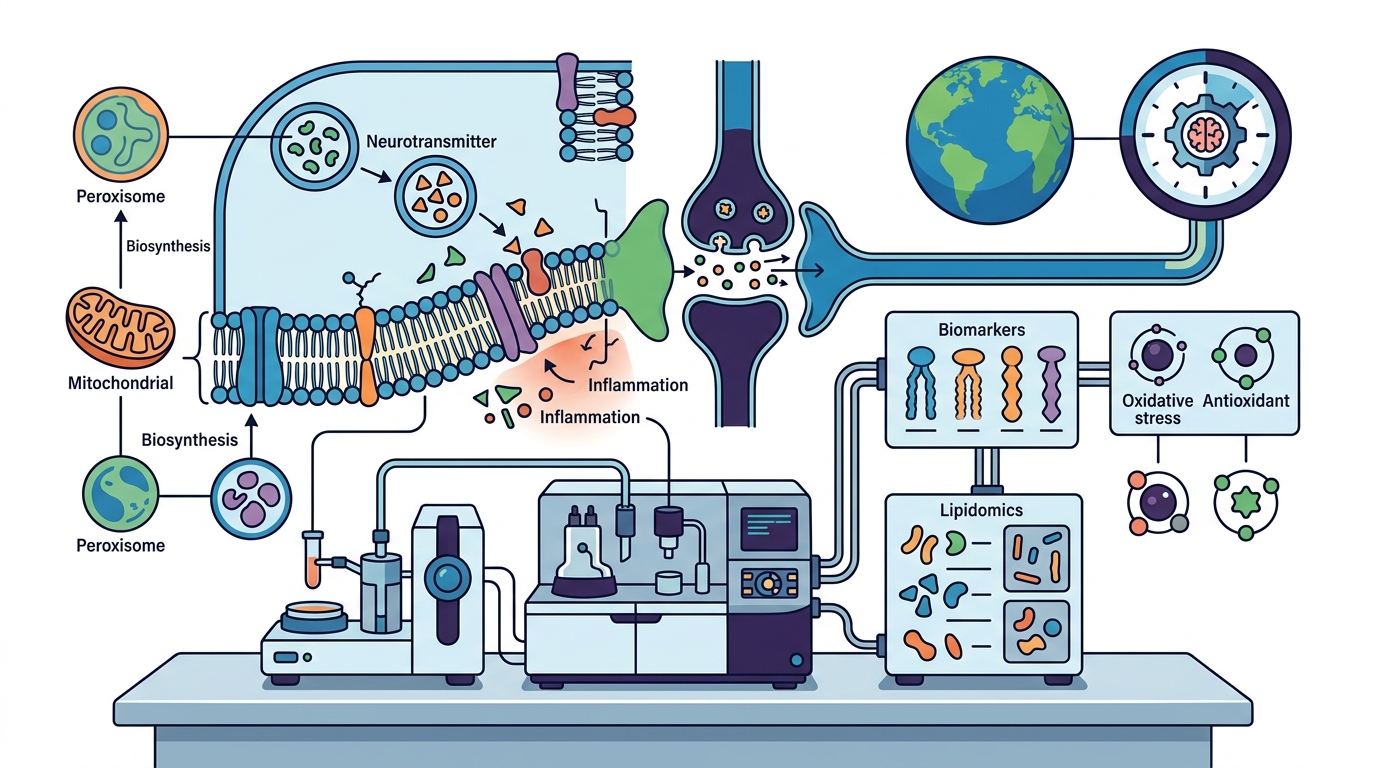
Another significant error is assuming that low plasmalogen levels are the sole cause of slow synaptic transmission. Plasmalogen is a vital component of myelin sheaths, which insulate nerve fibers. Studies in Trends in Neurosciences show that while plasmalogen deficiency is correlated with cognitive impairment, it is often a downstream effect of other pathologies. Oxidative stress and mitochondrial dysfunction can deplete plasmalogen levels, making them a marker rather than the primary driver.
Attributing synaptic speed changes exclusively to plasmalogen levels ignores the upstream causes. For instance, chronic inflammation can damage neuronal membranes, leading to plasmalogen loss. If the inflammation is not addressed, simply replenishing plasmalogen may provide only temporary relief. This distinction is vital for developing effective long-term treatment strategies.
The Oxidative Stress Connection
Plasmalogen acts as an antioxidant, protecting cell membranes from lipid peroxidation. When oxidative stress is high, plasmalogen levels drop as they are consumed in the defense process. Therefore, low levels may indicate high oxidative burden rather than a lack of intake. Addressing the oxidative load is often more critical than direct supplementation.
Mistake 4: Overlooking Inflammatory Markers
Inflammation is a silent killer of cognitive function. Many individuals focus on plasmalogen levels without considering systemic inflammation. Cytokines, which are signaling proteins involved in immunity, can disrupt synaptic plasticity. According to Nature Reviews Drug Discovery, neuroinflammation is a key contributor to synaptic dysfunction in aging brains. If inflammatory markers like C-reactive protein (CRP) are elevated, they can interfere with the efficacy of plasmalogen supplementation.
Practitioners must assess inflammatory status before making definitive claims about synaptic speed. Treating the inflammation can restore the environment necessary for plasmalogen to function effectively. This holistic approach ensures that the brain's structural integrity is supported from multiple angles.
Measuring Inflammation
Blood tests for CRP, interleukin-6, and tumor necrosis factor-alpha (TNF-alpha) provide valuable insights. These markers help determine if inflammation is a primary barrier to cognitive improvement. Ignoring these metrics can lead to ineffective treatment plans and patient frustration.
Neglecting Lifestyle Factors
Lifestyle choices play a profound role in synaptic health. Sleep, exercise, and stress management are not just supportive measures; they are foundational. Data from the Sleep Foundation shows that sleep deprivation significantly impairs synaptic pruning and memory consolidation. Without adequate rest, the brain cannot effectively utilize nutrients like plasmalogen for repair and maintenance.
Exercise, particularly aerobic activity, increases blood flow to the brain and promotes the release of brain-derived neurotrophic factor (BDNF). BDNF supports the survival of existing neurons and encourages the growth of new synapses. Neglecting these lifestyle factors while focusing solely on supplementation is a common and costly mistake.
The Impact of Stress
Chronic stress elevates cortisol levels, which can damage the hippocampus. The hippocampus is critical for memory formation and is rich in plasmalogen. High cortisol can disrupt the balance of lipids in this region, leading to cognitive decline. Managing stress through mindfulness or therapy is essential for maintaining optimal plasmalogen function.
Assuming Linear Dose-Response
Many believe that more plasmalogen is always better. However, biological systems often exhibit a plateau effect. Beyond a certain threshold, additional supplementation may not yield further benefits. Research in International Journal of Molecular Sciences suggests that optimal levels are required for membrane fluidity and signaling. Excess plasmalogen may be metabolized or excreted without contributing to synaptic speed.
Personalized dosing based on individual biomarkers is more effective than a one-size-fits-all approach. Monitoring plasma plasmalogen levels can help determine the optimal dosage for each individual. This precision medicine approach ensures that interventions are both effective and efficient.
Individual Variability
Genetic factors influence how individuals metabolize lipids. Variations in enzymes involved in plasmalogen synthesis can affect response to supplementation. Understanding these genetic predispositions can guide more effective treatment strategies.
Comparative Analysis of Cognitive Support Strategies
| Strategy | Mechanism of Action | Evidence Strength | Primary Benefit |
|---|---|---|---|
| Plasmalogen Supplementation | Restores membrane integrity and antioxidant capacity | Emerging Clinical | Neuroprotection |
| Omega-3 Fatty Acids | Reduces inflammation and supports synaptic fluidity | Strong Clinical | Anti-inflammatory |
| Cognitive Training | Enhances neural plasticity and connectivity | Strong Clinical | Synaptic Efficiency |
| Lifestyle Modification | Optimizes sleep, stress, and metabolic health | Strong Clinical | Systemic Health |
Key Takeaways
- Plasmalogen is a specialized phospholipid essential for neuronal membrane structure and function.
- The blood-brain barrier limits direct transport, making precursor support crucial.
- Low plasmalogen levels are often a marker of oxidative stress rather than the primary cause of cognitive decline.
- Inflammatory markers must be assessed to ensure effective treatment outcomes.
- Lifestyle factors like sleep and exercise are foundational to synaptic health.
- Dose-response relationships are not linear; personalized dosing is recommended.
- Comprehensive assessment is necessary to avoid misattributing cognitive changes.
Frequently Asked Questions
Can plasmalogen supplementation reverse cognitive decline?
While plasmalogen supplementation can support brain health and potentially slow decline, it is not a cure-all. Results vary based on individual factors such as age, genetics, and overall health status. It is most effective when combined with other lifestyle interventions.
How do I know if I have low plasmalogen levels?
Specialized blood tests can measure plasma plasmalogen levels. These tests are available through functional medicine practitioners and specialized labs. Consulting with a healthcare provider is the best way to determine your status.
Is there a difference between dietary and supplemental plasmalogen?
Yes. Dietary sources like organ meats contain plasmalogen, but the amounts are often insufficient for therapeutic effects. Supplements provide concentrated doses that can more effectively target deficiency states.
What is the role of BDNF in synaptic speed?
BDNF (Brain-Derived Neurotrophic Factor) promotes the growth and survival of neurons. It enhances synaptic plasticity, which is essential for learning and memory. Exercise and certain nutrients can boost BDNF levels.
How long does it take to see benefits from plasmalogen supplementation?
Benefits may take several weeks to months to become apparent, as the body needs time to incorporate plasmalogen into cell membranes. Consistency is key to achieving optimal results.
Are there any side effects of plasmalogen supplementation?
Plasmalogen is generally well-tolerated. However, some individuals may experience mild digestive discomfort. Starting with a lower dose and gradually increasing can help mitigate this.
Can plasmalogen help with neurodegenerative diseases?
Research suggests that plasmalogen may have neuroprotective effects in conditions like Alzheimer's disease. However, more large-scale clinical trials are needed to establish definitive therapeutic guidelines.
Take the Next Step in Your Brain Health Journey
Understanding the complexities of synaptic health requires more than just focusing on one nutrient. At Plasmalogen Science, we provide comprehensive testing and personalized guidance to help you optimize your cognitive function. Contact us today to schedule a consultation and discover how we can support your brain health goals.