

Plasmalogens are specialized ether phospholipids that serve as the primary antioxidant defense in cell membranes, particularly within the brain and heart. Recent research indicates that declining plasmalogen levels are a hallmark of aging and are closely linked to neurodegenerative conditions. According to current lipidomics research, these molecules are critical for maintaining membrane fluidity and protecting cellular structures from oxidative damage. Understanding how to evaluate these levels is essential for anyone interested in advanced longevity and neurological health.
What Are Plasmalogens?
Plasmalogens are a unique class of phospholipids characterized by a vinyl-ether bond at the sn-1 position of the glycerol backbone. This chemical structure makes them highly susceptible to oxidation, which allows them to act as sacrificial antioxidants. They are abundant in the myelin sheaths of nerve cells and in cardiac tissue.
Plasmalogens are essential for cellular integrity. They help regulate membrane fluidity, which is crucial for proper signal transduction and receptor function. Without adequate plasmalogen levels, cell membranes can become rigid or leaky, impairing communication between cells. This is particularly critical in the brain, where rapid signaling is required for cognitive function.
The body produces plasmalogens through a complex biosynthetic pathway that involves peroxisomes and the endoplasmic reticulum. This process requires specific nutrients, including choline, ethanolamine, and fatty acids. As we age, the efficiency of this biosynthetic pathway declines, leading to lower circulating levels of these vital lipids. For more details on the biosynthesis process, you can explore How the Body Produces Plasmalogens.
Why Evaluate Plasmalogen Levels?
Evaluating plasmalogen levels is not just about detecting disease; it is about assessing biological resilience. Traditional healthcare often focuses on symptoms after they become obvious. Advanced health measurement looks deeper at patterns in metabolism, inflammation, and cellular energy. According to longevity experts, healthspan is defined by the years of life lived with strong function, mobility, and cognition.
Low plasmalogen levels are associated with several health concerns. In the brain, they are linked to cognitive decline and neurodegenerative diseases. In the heart, they are linked to cardiac dysfunction. In the muscles and bones, they are linked to reduced mobility and strength. By evaluating these levels early, individuals can take proactive steps to support their health.
Standard testing often misses these deeper changes. Routine lipid panels do not measure plasmalogens. Therefore, specialized testing is required to get a complete picture of membrane health. This is why advanced health measurement is changing how health and longevity are understood. You can read more about The Importance of Advanced Health Measurements to understand the gap between standard and advanced testing.
Measurement Methods and Biomarkers
Evaluating plasmalogen levels requires specific biomarkers and testing methodologies. There are several ways to assess these levels, each with its own advantages and limitations.
Lipidomics Profiling
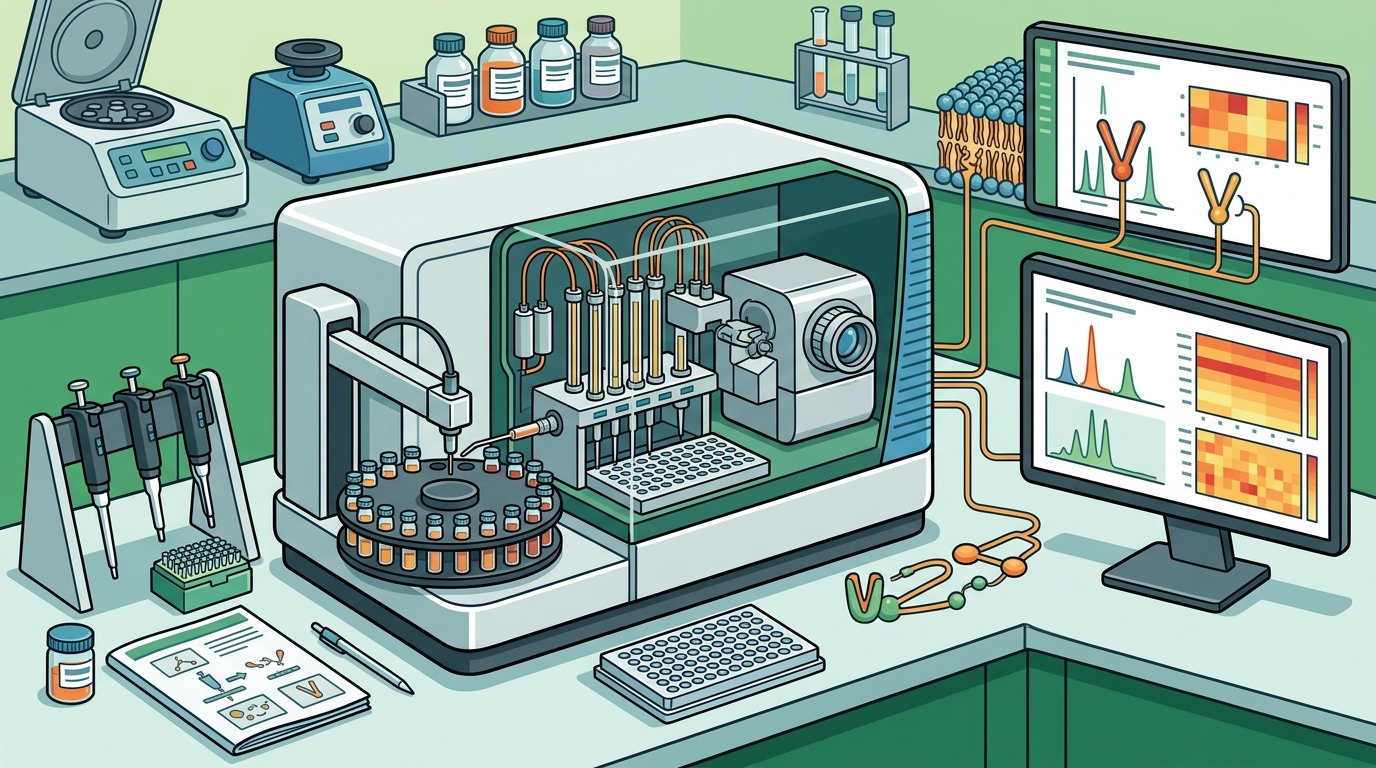
Lipidomics is the large-scale study of lipids within cells, tissues, and organisms. Advanced lipidomics profiling can quantify specific plasmalogen species, such as PE-P and PC-P plasmalogens. This method provides a detailed breakdown of lipid composition, allowing for precise assessment of membrane health.
Neuroimaging
While not a direct measure of plasmalogen levels, neuroimaging can reveal structural changes in the brain that are associated with plasmalogen deficiency. MRI scans can show atrophy in areas rich in myelin, which is heavily dependent on plasmalogens. This provides indirect evidence of lipid metabolism issues.
Biomarker Correlation
Certain biomarkers can correlate with plasmalogen levels. For example, markers of oxidative stress and inflammation often rise when plasmalogen levels are low. Monitoring these markers can provide a proxy for plasmalogen status. For more on biomarkers, see Plasmalogen Measurement & Biomarkers Overview.
Signs of Low Plasmalogens
Recognizing the signs of low plasmalogens is the first step in evaluation. These signs can be subtle and develop over time. They often overlap with general aging symptoms, which is why specific testing is important.
Cognitive changes are a primary sign. Memory lapses, difficulty concentrating, and brain fog can indicate declining plasmalogen levels in the brain. These changes are often early indicators of neurodegenerative processes. For more on cognitive effects, read How Cognitive & Neurological Systems Are Affected.
Physical changes are also significant. Reduced muscle tone, joint stiffness, and slower recovery from exercise can signal low plasmalogen levels in skeletal muscle and connective tissue. This is because plasmalogens are crucial for energy production and tissue repair. Learn more about How Bones & Muscle are Affected in plasmalogen deficient states.
Sensory changes may also occur. Hearing loss and vision problems have been linked to plasmalogen deficiency in the inner ear and retina. These tissues have high metabolic demands and are sensitive to oxidative stress. Understanding What Happens When Plasmalogen Levels Are Low can help clarify these connections.
Comparison of Testing Approaches
Choosing the right evaluation method depends on your goals and resources. Below is a comparison of common approaches.
| Method | What It Measures | Pros | Cons |
|---|---|---|---|
| Lipidomics Profiling | Specific plasmalogen species | High precision, detailed data | Expensive, specialized lab required |
| Standard Lipid Panel | Cholesterol and triglycerides | Widely available, low cost | Does not measure plasmalogens |
| Neuroimaging | Brain structure and function | Visualizes damage, non-invasive | Indirect measure, high cost |
| Oxidative Stress Markers | Markers of cellular damage | Easy to test, correlates with health | Non-specific, influenced by many factors |
Key Takeaways
- Plasmalogens are specialized ether phospholipids that protect cell membranes from oxidative damage.
- Levels naturally decline with age, impacting brain, heart, and muscle health.
- Standard lipid panels do not measure plasmalogens; specialized lipidomics is required.
- Cognitive decline, muscle weakness, and sensory loss are key signs of deficiency.
- Advanced health measurement provides a more complete picture of longevity than traditional testing.
- Early evaluation allows for proactive interventions to support membrane health.
- Understanding the biosynthesis pathway is key to supporting plasmalogen production.
Frequently Asked Questions
What is the primary function of plasmalogens?
Plasmalogens are the primary antioxidant defense in cell membranes, protecting them from oxidative damage and maintaining membrane fluidity.
How are plasmalogen levels measured?
Plasmalogen levels are measured through advanced lipidomics profiling, which quantifies specific plasmalogen species in blood or tissue samples.
Why do plasmalogen levels decrease with age?
Plasmalogen levels decrease with age due to reduced efficiency in the biosynthetic pathway, which involves peroxisomes and the endoplasmic reticulum.
Can low plasmalogen levels be reversed?
While levels can be supported through nutrition and lifestyle changes, complete reversal depends on the underlying cause and the extent of the deficiency.
What are the signs of low plasmalogen levels?
Signs include cognitive decline, muscle weakness, joint stiffness, and sensory loss, particularly in the hearing and vision.
Is standard testing sufficient to detect plasmalogen deficiency?
No, standard lipid panels do not measure plasmalogens. Specialized testing is required to assess these levels accurately.
How do plasmalogens affect the brain?
Plasmalogens are abundant in the myelin sheaths of nerve cells, where they protect against oxidative damage and support rapid signal transmission.
Next Steps
Evaluating plasmalogen levels is a powerful step toward understanding your biological age and optimizing your healthspan. If you are interested in learning more about how to support your plasmalogen levels, we invite you to explore our resources. Visit our Critical Nutrients and Standards page for detailed guidance. For more information on the science behind plasmalogens, check out our What Are Plasmalogens guide. To connect with us or ask specific questions, please visit our Contact page.