

Evaluating Plasmalogen Types and Sources for Optimal Brain Cell Membrane Function
Plasmalogens are specialized ether phospholipids that serve as the primary structural and functional components of cell membranes, particularly within the brain and nervous system. These molecules are critical for maintaining membrane fluidity, protecting against oxidative stress, and facilitating efficient cellular communication. Research indicates that plasmalogen levels naturally decline with age, a process that correlates with increased risk of neurodegenerative conditions and cognitive decline. Understanding the specific types of plasmalogens and their sources is essential for anyone looking to support long-term brain health and cellular resilience. (About This Project Plasmalogen)
What Are Plasmalogens?
Plasmalogens are a unique class of phospholipids characterized by a vinyl ether linkage at the sn-1 position of the glycerol backbone. This structural feature distinguishes them from other phospholipids, such as phosphatidylcholine, which have an ester linkage. The vinyl ether bond makes plasmalogens highly susceptible to oxidation, allowing them to act as sacrificial antioxidants that protect other critical cellular components from damage.
These molecules are found in high concentrations in the brain, heart, and skeletal muscle. In the brain, they are particularly abundant in the white matter, where they support the integrity of myelin sheaths. Myelin is the fatty tissue that insulates nerve fibers, allowing for rapid transmission of electrical signals. Without adequate plasmalogens, this insulation can become compromised, leading to slower neural communication and potential neurological deficits.
Understanding the basic biology of plasmalogens is the first step in evaluating how to support them through diet, supplementation, or lifestyle changes. The body produces plasmalogens through a complex biosynthetic pathway that involves both the peroxisome and the endoplasmic reticulum. Disruptions in this pathway can lead to significant health issues, highlighting the importance of maintaining optimal plasmalogen levels.
Types of Plasmalogens and Their Roles
Plasmalogens are not a monolithic group. They are categorized based on the head group attached to the sn-2 position of the glycerol backbone. The two primary types are plasmenylcholine and plasminylethanolamine. Each type plays distinct roles in cellular function and health.
Plasmenylcholine
Plasmenylcholine is the most abundant type of plasmalogen in the human body. It is particularly important in the heart and brain. In the brain, plasmenylcholine is a key component of synaptic vesicles, which are small structures that store neurotransmitters. These vesicles are essential for the release of chemical messengers that allow neurons to communicate with each other.
Research suggests that plasmenylcholine levels are closely linked to cognitive function. Lower levels of plasmenylcholine have been observed in individuals with Alzheimer's disease and other forms of dementia. This correlation suggests that maintaining adequate plasmenylcholine levels may be crucial for preserving memory and cognitive clarity as we age.
Plasminylethanolamine
Plasminylethanolamine is another significant type of plasmalogen, though it is less abundant than plasmenylcholine. It is found in high concentrations in the liver and lungs. In the brain, plasminylethanolamine plays a role in the structure of myelin sheaths. It helps maintain the stability and flexibility of these sheaths, which is vital for efficient nerve signal transmission.
Both types of plasmalogens work synergistically to support cellular health. They contribute to membrane fluidity, which allows proteins embedded in the membrane to function correctly. They also play a role in cell signaling, helping cells respond to external stimuli and internal changes. Evaluating the balance between these two types can provide insight into overall cellular health and potential areas of vulnerability.
Plasmalogens and Brain Cell Membrane Function
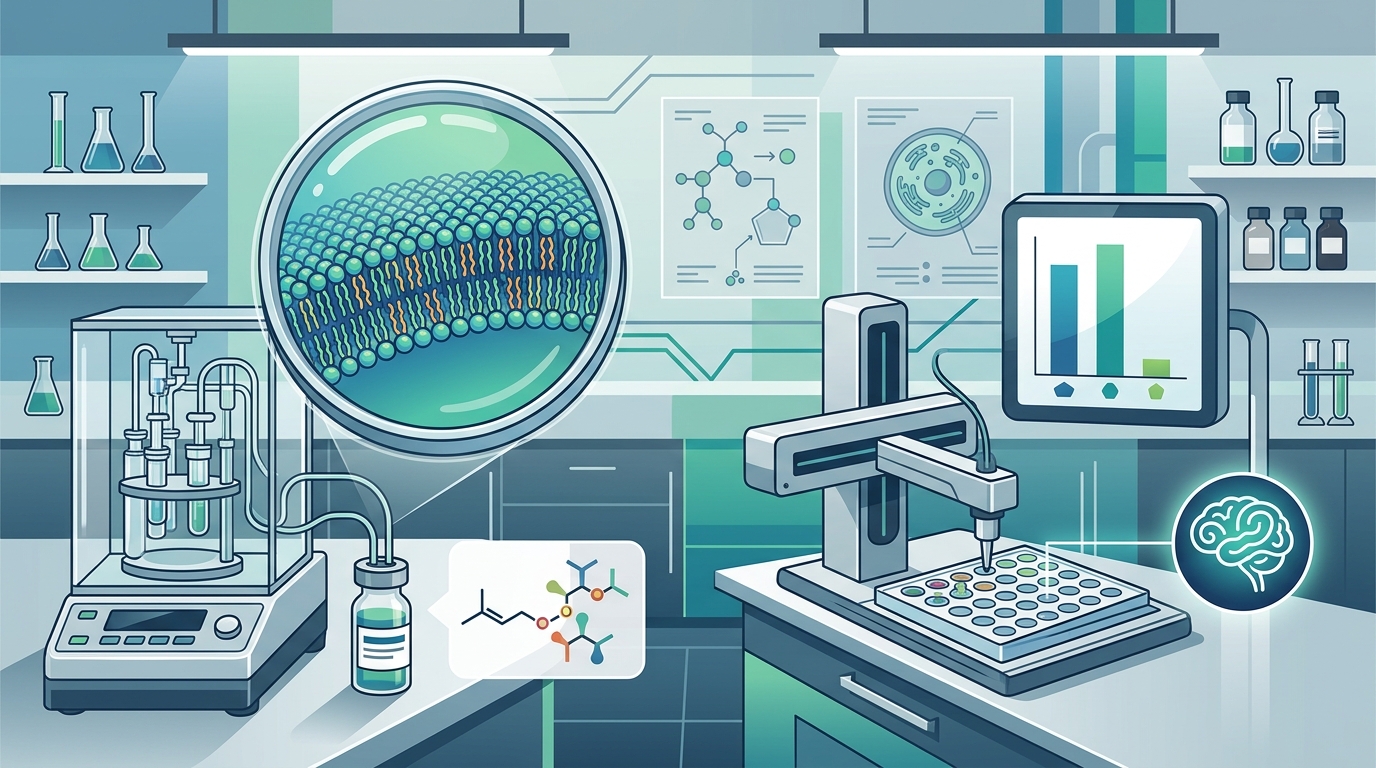
The brain is composed of approximately 60% fat, and a significant portion of this fat is in the form of phospholipids. Plasmalogens are a critical component of these phospholipids. They are essential for the formation and maintenance of cell membranes in neurons and glial cells.
Cell membranes are not static structures. They are dynamic and constantly remodeling. Plasmalogens contribute to this remodeling by influencing the fluidity and permeability of the membrane. This fluidity is necessary for the proper functioning of ion channels and receptors, which are responsible for transmitting signals across the cell membrane.
Furthermore, plasmalogens protect the brain from oxidative stress. The brain consumes a large amount of oxygen, which leads to the production of reactive oxygen species (ROS). These ROS can damage cellular components, including lipids, proteins, and DNA. Plasmalogens act as a first line of defense by undergoing oxidation themselves, thereby sparing other critical molecules from damage. This antioxidant function is particularly important in the brain, where oxidative stress is a major contributor to neurodegeneration.
Additionally, plasmalogens are involved in the formation of lipid rafts. These are specialized microdomains within the cell membrane that concentrate specific proteins and lipids. Lipid rafts are important for signal transduction, allowing cells to respond quickly to external signals. In the brain, this process is crucial for learning and memory formation.
Sources and Biosynthesis Pathways
The body can produce plasmalogens, but this process requires specific nutrients and cofactors. Understanding these requirements is key to supporting plasmalogen synthesis naturally.
Endogenous Biosynthesis
Plasmalogen biosynthesis begins in the peroxisome. Peroxisomes are small organelles that break down fatty acids and synthesize ether lipids. The first steps of plasmalogen synthesis involve the creation of dihydroxyacetone phosphate (DHAP) and its subsequent conversion to alkyl-DHAP. This step requires the enzyme alkyl-DHAP synthase, which is dependent on adequate levels of oxygen and other cofactors.
Once the ether lipid backbone is formed in the peroxisome, it is transported to the endoplasmic reticulum. Here, the final steps of plasmalogen synthesis occur, including the attachment of the head group (choline or ethanolamine). This process requires enzymes such as phosphoethanolamine N-methyltransferase and phosphocholine cytidylyltransferase.
Nutritional Support
Several nutrients are essential for supporting plasmalogen biosynthesis. These include:
- Choline: A precursor for plasmenylcholine. Found in eggs, liver, and soy.
- Ethanolamine: A precursor for plasminylethanolamine. Found in wheat germ and soy.
- Vitamin B12: Essential for peroxisomal function. Found in animal products.
- Folate: Works with B12 in one-carbon metabolism. Found in leafy greens.
- Omega-3 Fatty Acids: Support membrane fluidity and reduce inflammation. Found in fatty fish and algae.
Deficiencies in any of these nutrients can impair plasmalogen synthesis. For example, low levels of vitamin B12 can disrupt peroxisomal function, leading to reduced plasmalogen production. This highlights the importance of a balanced diet rich in these essential nutrients.
Exogenous Sources
While the body can produce plasmalogens, dietary intake also plays a role. Foods rich in ether lipids, such as certain types of seafood and organ meats, can provide direct sources of plasmalogens. However, the amount of plasmalogens in food is relatively small compared to endogenous production. Therefore, supporting the body's ability to synthesize plasmalogens is often more effective than relying solely on dietary intake.
Supplementation with plasmalogen-rich extracts is another option. Some supplements are derived from marine sources, such as shark liver oil or whale oil, though ethical and sustainability concerns have led to the development of plant-based alternatives. It is important to choose high-quality supplements that have been tested for purity and potency.
Impacts of Plasmalogen Deficiency
Plasmalogen deficiency can have wide-ranging effects on health, particularly in the brain and nervous system. As mentioned earlier, plasmalogen levels naturally decline with age. However, this decline can be accelerated by various factors, including poor diet, chronic stress, and genetic predispositions.
Neurological Implications
Low plasmalogen levels have been associated with several neurological conditions. Alzheimer's disease is one of the most well-studied. Research has shown that individuals with Alzheimer's often have significantly lower levels of plasmenylcholine in their brains. This deficiency is thought to contribute to the accumulation of amyloid-beta plaques and tau tangles, which are hallmarks of the disease.
Other conditions, such as Parkinson's disease and multiple sclerosis, have also been linked to plasmalogen deficiency. In multiple sclerosis, the loss of myelin is a key feature. Since plasmalogens are essential for myelin integrity, their deficiency can exacerbate the disease process.
Metabolic and Systemic Effects
Plasmalogen deficiency is not limited to the brain. It can also affect other organs. In the heart, low plasmalogen levels have been linked to heart failure and arrhythmias. In the liver, it can contribute to fatty liver disease and inflammation. In the muscles, it can lead to weakness and fatigue.
The systemic nature of plasmalogen deficiency underscores the importance of maintaining adequate levels throughout the body. This requires a holistic approach to health that addresses nutrition, lifestyle, and potential underlying medical conditions.
Measurement and Testing
Evaluating plasmalogen levels can provide valuable insights into an individual's health status. Traditional blood tests do not typically measure plasmalogens, so specialized testing is required.
Advanced Health Measurements
Advanced health measurement techniques, such as lipidomics, can quantify plasmalogen levels in blood or tissue samples. Lipidomics is the large-scale study of lipids within cells, tissues, and organisms. It allows for the precise measurement of different lipid species, including plasmalogens.
These tests can help identify individuals who may be at risk for plasmalogen deficiency before symptoms appear. Early detection allows for proactive interventions, such as dietary changes or supplementation, to prevent or mitigate the effects of deficiency.
Longitudinal Tracking
One-time testing provides a snapshot of plasmalogen levels at a specific point in time. However, longitudinal tracking, which involves repeated testing over time, can reveal trends and changes in plasmalogen levels. This is particularly useful for monitoring the effectiveness of interventions aimed at boosting plasmalogen levels.
For example, an individual who starts a new supplementation regimen can track their plasmalogen levels over several months to see if there is a significant increase. This data-driven approach allows for personalized health management and optimization.
Key Takeaways
- Plasmalogens are specialized ether phospholipids that are critical for brain cell membrane integrity and function.
- Two main types exist: plasmenylcholine and plasminylethanolamine, each with distinct roles in neural and systemic health.
- Biosynthesis occurs in peroxisomes and requires specific nutrients like vitamin B12, folate, and choline.
- Deficiency is linked to neurodegenerative diseases such as Alzheimer's and Parkinson's, as well as cardiovascular and metabolic issues.
- Levels naturally decline with age, but this process can be influenced by diet, lifestyle, and supplementation.
- Advanced lipidomics testing is required to accurately measure plasmalogen levels, as standard blood panels do not include them.
- Supporting plasmalogen health involves a combination of nutrient-dense foods, targeted supplementation, and regular monitoring.
Frequently Asked Questions
What are plasmalogens and why are they important?
Plasmalogens are a unique class of phospholipids found in high concentrations in the brain and heart. They are important because they maintain cell membrane fluidity, protect against oxidative stress, and facilitate cellular communication. Without adequate plasmalogens, cells become more vulnerable to damage and dysfunction.
How do plasmalogens support brain health?
Plasmalogens support brain health by being a major component of myelin sheaths, which insulate nerve fibers and allow for rapid signal transmission. They also protect neurons from oxidative damage and are involved in the formation of synaptic vesicles, which are essential for memory and learning.
Can I increase my plasmalogen levels through diet?
Yes, you can support plasmalogen levels through diet by consuming foods rich in choline, ethanolamine, vitamin B12, and folate. Foods like eggs, liver, leafy greens, and fatty fish are excellent sources. However, dietary intake alone may not be sufficient to reverse significant deficiency.
What is the difference between plasmenylcholine and plasminylethanolamine?
Plasmenylcholine is the most abundant type and is crucial for synaptic function and heart health. Plasminylethanolamine is less abundant but vital for myelin structure and liver function. Both types work together to support overall cellular health.
How are plasmalogen levels measured?
Plasmalogen levels are measured using advanced lipidomics testing, which quantifies specific lipid species in blood or tissue samples. Standard blood tests do not measure plasmalogens, so specialized testing is necessary for accurate assessment.
Is plasmalogen deficiency common?
Plasmalogen deficiency is common in aging populations and is associated with various age-related diseases. While some decline is natural, excessive deficiency can indicate underlying health issues or nutritional gaps that need to be addressed.
Are there supplements that contain plasmalogens?
Yes, there are supplements derived from marine sources or plant-based alternatives that contain plasmalogens. It is important to choose high-quality products that have been tested for purity and efficacy. Consultation with a healthcare provider is recommended before starting any new supplement regimen.
Next Steps for Brain Health
Evaluating your plasmalogen status is a proactive step toward preserving cognitive function and overall health. If you are interested in learning more about advanced health measurements or personalized strategies for supporting plasmalogen levels, we invite you to explore our resources. Visit the Advanced Health Measurements page to understand how lipidomics can provide insights into your cellular health. You can also read more about What Are Plasmalogens to deepen your understanding of these critical molecules. For those interested in the biological mechanisms, the How the Body Produces Plasmalogens guide offers a detailed look at biosynthesis. To stay informed on the latest research, check out our Plasmalogens & Health section. If you have further questions, please Contact us for expert guidance.